
Adult Speech Pathology at Home | Aphasia & Dysphagia Support | Physio Inq | Physio Inq

Adult Speech Pathology:
Communication and Swallowing Support Following Stroke, Injury or Disability

What Is Adult Speech Pathology?

Adult speech pathology addresses communication and swallowing disorders that affect adults, whether acquired through stroke, brain injury, neurological conditions, disability or other causes. While speech pathology is often associated with children, it plays a critical and often under-recognised role in supporting adults to communicate effectively, eat and drink safely and maintain quality of life.

At Physio Inq, our Speech Pathology Australia-certified speech pathologists deliver assessment and therapy in the home and community, so support is practical and directly applicable to the environments where clients live and function. This matters most for swallowing assessment and mealtime management, where observing the client in their actual eating environment produces more accurate and useful results than a clinical assessment.

Adult speech pathologists can help with

  • Aphasia: language difficulties following stroke or brain injury
  • Dysarthria: speech difficulties caused by motor or neurological impairment
  • Apraxia of speech: motor planning difficulties affecting speech production
  • Dysphagia: swallowing difficulties and mealtime management
  • Voice disorders, including dysphonia and vocal cord dysfunction
  • Cognitive communication difficulties, eg: memory, attention and problem-solving
  • AAC assessment and training for adults with complex communication needs
  • Fluency and stuttering in adults
  • Communication support for people living with disability
  • Return to work and social participation communication goals

All programs are developed collaboratively with the client, their family and the broader care and rehabilitation team.

Book an appointment or make a referral

The process takes less than 5 minutes. We endeavour to respond to all enquiries and referrals the same day they are received and in most cases, we are able to confirm an appointment time with you within 48hrs. Book for yourself or refer a client here.

Looking to get started with speech therapy support? Book an Appointment Refer a Client

How We Deliver Adult Speech Pathology

Physio Inq delivers adult speech pathology across three service channels, ensuring consistent, accessible support wherever clients are most comfortable and functional.
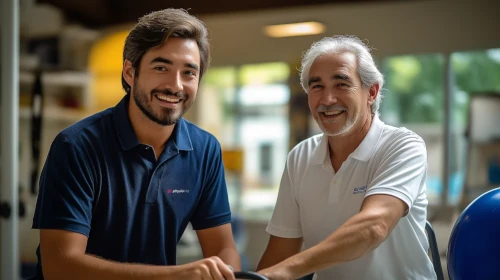
In Your Community For adults with goals related to communication...

In Your Community

For adults with goals related to communication in community or work settings, our speech pathologists deliver support in those environments. This may include communication strategies for public interactions, workplace communication support or community participation programs, practised in the settings where they need to be used.
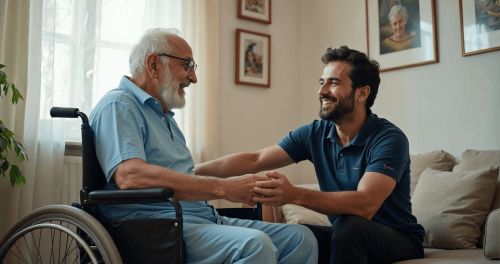
In Your Home Home-based speech pathology is particularly valuable for...

In Your Home

Home-based speech pathology is particularly valuable for swallowing assessment and mealtime management, where observing the client's actual eating environment, food preparation habits and mealtime routines produces more accurate and practical findings than a clinical assessment. Delivering therapy at home applies therapy directly to the routines that matter most.
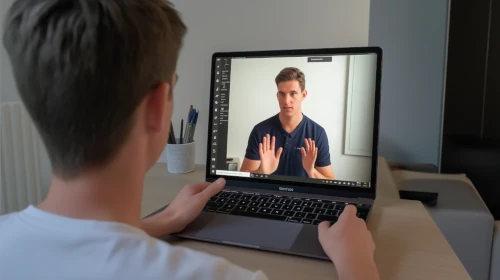
Online (Telehealth) Telehealth adult speech pathology is available for therapy...

Online (Telehealth)

Telehealth adult speech pathology is available for therapy sessions, carer coaching, progress reviews and certain assessments. It is particularly effective for language therapy, cognitive communication programs and aphasia rehabilitation, and is a useful option for clients in regional or remote areas.

Need flexible speech therapy that works around your circumstances? Book an Appointment Refer a Client

Who We Support

Physio Inq's adult speech pathology services are available to adults across a range of conditions, support needs and funding arrangements. As a registered NDIS provider, we support participants across all plan management types and deliver goal-based therapy aligned to NDIS plans.

Adults Following Stroke or Brain Injury Stroke is one of...

Adults Following Stroke or Brain Injury

Stroke is one of the most common causes of acquired communication and swallowing disorders in adults. We provide aphasia therapy, dysarthria treatment and dysphagia assessment for adults recovering from stroke, focused on practical goals that support everyday communication and safe eating.

We also support adults living with the communication and cognitive effects of traumatic or acquired brain injury, including cognitive communication therapy, AAC assessment and swallowing support.

Adults Living with Neurological Conditions We support adults living with...

Adults Living with Neurological Conditions

We support adults living with Parkinson's disease, multiple sclerosis, motor neurone disease, Huntington's disease and other neurological conditions that affect communication, voice and swallowing.

Programs are adapted as the condition changes over time, so support stays relevant through each stage.

Adults Living with Disability We support adults with physical disability,...

Adults Living with Disability

We support adults with physical disability, intellectual disability and complex communication needs, with therapy shaped around each person's abilities, goals and environment.

Communication disorders significantly affect family dynamics and carer wellbeing. Our speech pathologists provide practical guidance, communication strategies and mealtime training for families and carers, so the whole support network feels informed and confident.

Whether it's for you or your client, getting started is simple Book an Appointment Refer a Client

Where We Provide Mobile Speech Pathology

Physio Inq delivers speech pathology and therapy services across Australia. Our network of speech therapists operates in metropolitan, regional, and rural areas, with national coordination provided through our customer service team. 

What Therapy Involves

Every program begins with a comprehensive assessment by a Speech Pathology Australia-certified speech pathologist. From there, the speech pathologist develops a plan based on what the client wants to achieve and what matters most in daily life. Support is adjusted over time as needs and goals change.

  • Speech and language exercises to make words clearer and conversations easier to follow in everyday situations.
  • Voice and breathing training to support a steadier voice and reduce strain when speaking for longer periods.
  • Swallowing rehabilitation focused on safer, more comfortable eating and drinking, easing worry at mealtimes.
  • Cognitive communication strategies supporting skills such as finding the right words, staying focused in conversations and understanding information more easily.
  • Home practice support using simple resources or digital tools that fit into daily routines.
  • A supportive, paced approach where activities are explained clearly and paced to suit the client.

Therapy takes place at home, in the community or through secure telehealth sessions, so it fits around the client's routine and environment.

Frequently Asked Questions

You might benefit from speech therapy if you: 

  • Have difficulty being understood when speaking 
  • Struggle with word-finding, memory or comprehension 
  • Experience voice changes or fatigue 
  • Have problems swallowing safely 
  • Have noticed changes after a stroke, Parkinson’s disease, dementia or brain injury 

If communication or swallowing issues are affecting your quality of life, a speech pathologist can help.

Aphasia is a language disorder that affects a person’s ability to speak, understand, read and write, most commonly following stroke or brain injury. Speech pathology targets the underlying language skills affected by aphasia and develops practical communication strategies to support everyday interaction and independence.

Yes, speech therapy can support adults after a stroke or brain injury by helping with changes to communication, thinking skills and swallowing. Our approach to support focuses on making everyday tasks like speaking with others, understanding information and eating more manageable and safer.

Yes. Speech pathology can be funded under Capacity Building Improved Daily Living supports within an NDIS plan. Physio Inq is a registered NDIS provider supporting self-managed, plan-managed and agency-managed participants.

Yes, and we actively encourage it. Family involvement supports better outcomes by reinforcing communication strategies and mealtime approaches at home between sessions. Our speech pathologists provide practical guidance for family members and carers throughout the therapy process.