Friday, June 26, 2020 | Modified: Tuesday, July 2, 2024
In this article
Summary
- Explores common injuries in cheerleading.
- Discusses the physical demands and risks associated with cheerleading activities.
- Provides insights into specific cheerleading injuries, such as sprains, strains, fractures, and concussions.
- Discusses the importance of proper technique, conditioning, and warm-up exercises in injury prevention.
- Highlights the role of strength training, flexibility, and core stability in reducing injury risk.
- Offers recommendations for safety measures, including using proper mats and protective gear.
- Emphasises the significance of rest, recovery, and seeking medical attention for injuries.
- Provides an overview of rehabilitation and physiotherapy for cheerleading-related injuries.
- Aims to provide information and support for individuals involved in cheerleading, focusing on injury prevention and management.
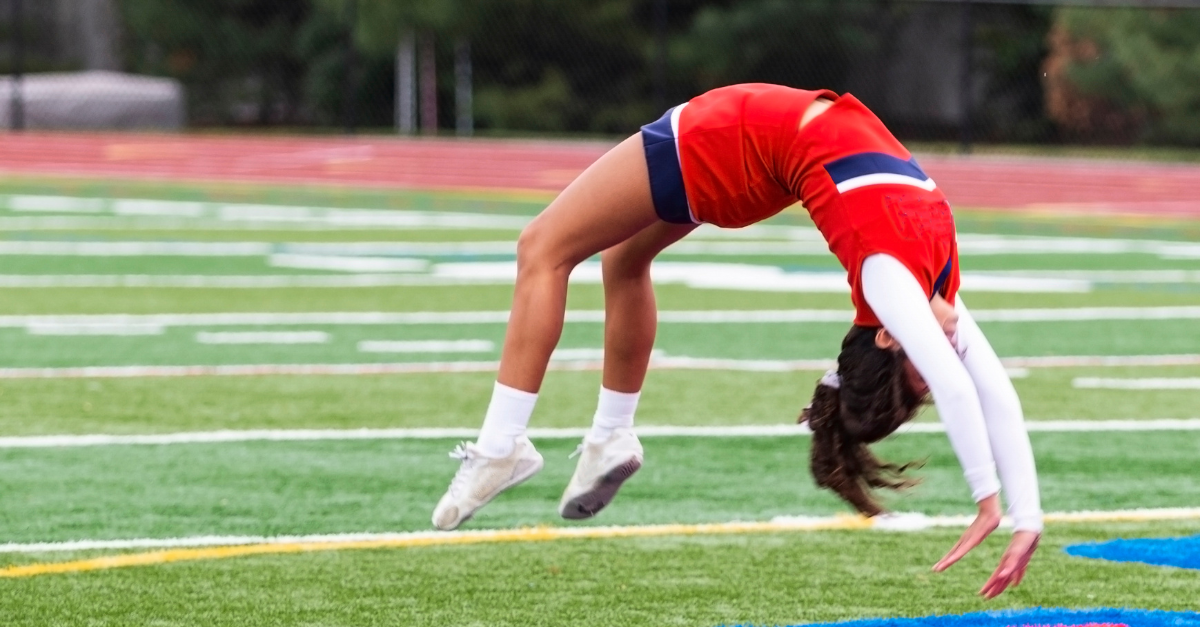
Due to the popular new Netflix series "Cheer", more people of all ages are getting involved in the wonderful sport of Cheerleading! At Physio Inq, we are seeing more young girls, who typically have lots of flexibility, that need help in being stronger and more stable. Physiotherapists can also help coaches and athletes reduce their risk of injury and increase their strength and performance.
Common injuries that can occur in competitive cheerleading include:
- Muscle strains in the hip, lower back, and legs
- Ligament sprains in the knees and ankles
- Finger and hand injuries
Among the more serious, sometimes season-ending, injuries are:
- Head injuries and concussion
- Fractures, including those of the spine
- Dislocations of the shoulder or elbow
Why do Injuries Happen?
- Performing skills/stunts above skill level
- Inadequate or faulty equipment
- Lack of experience with the sport or particular skill
- Poor flexibility
- Lack of strength and stability
- Poor conditioning or training (under/over training)
- Sudden increase in training load
How can I reduce my injury risk?
Work on your functional strength and conditioning with single-leg squats and single-leg heel raises on both sides to improve your functional skills like tumbles and stunts, as well as increase power to jump and throw higher, and reduce injury risk.
Improve your flexibility by doing dynamic (moving) stretching before practice, and static stretching after practice.
At Sutherland Physio, we can look after acute injuries like: head and spinal injuries with a gradual return to activity, soft tissue injuries (sprains and strains) with the POLICE protocol, and managing muscular pain and tightness before they become big injuries. Did you know that physiotherapists are first line practitioners? That means we are qualified to determine and refer you if medical scans are required; and you don’t need a GP referral to see us.
At Physio Inq Sutherland our “motto” perfectly matches with the “Cheer” culture: Live a life with less limits! Contact us to manage your body and get you back into cheer quicker and stronger!