Tuesday, March 2, 2021 | Modified: Tuesday, July 2, 2024
In this article
Summary
- Explores the advantages of using clipless pedals in cycling.
- Discusses the benefits of clipless pedals for improved power transfer and pedaling efficiency.
- Provides insights into the enhanced control and stability offered by clipless pedals, particularly during challenging riding conditions.
- Discusses the role of clipless pedals in optimizing pedal stroke mechanics and reducing the risk of knee injuries.
- Explores the connection between clipless pedals and improved cycling performance, including speed and endurance.
- Highlights the different types of clipless pedal systems available and their compatibility with cycling shoes.
- Provides guidance on how to choose the right clipless pedals and shoes based on individual preferences and riding style.
- Discusses the learning curve associated with using clipless pedals and offers tips for a smooth transition.
- Offers resources and recommendations for individuals seeking further information and support in using clipless pedals.
- Aims to inform and educate cyclists about the advantages of clipless pedals and empower them to make informed decisions about their cycling equipment for an enhanced riding experience.
In this series of articles, I’m going to discuss clipless pedals!
A lot of people ask me, “Why should I use clipless pedals?” Because they will make you faster! Once you get the hang of it and overcome the fear of not being able to get out, you’ll love it too.
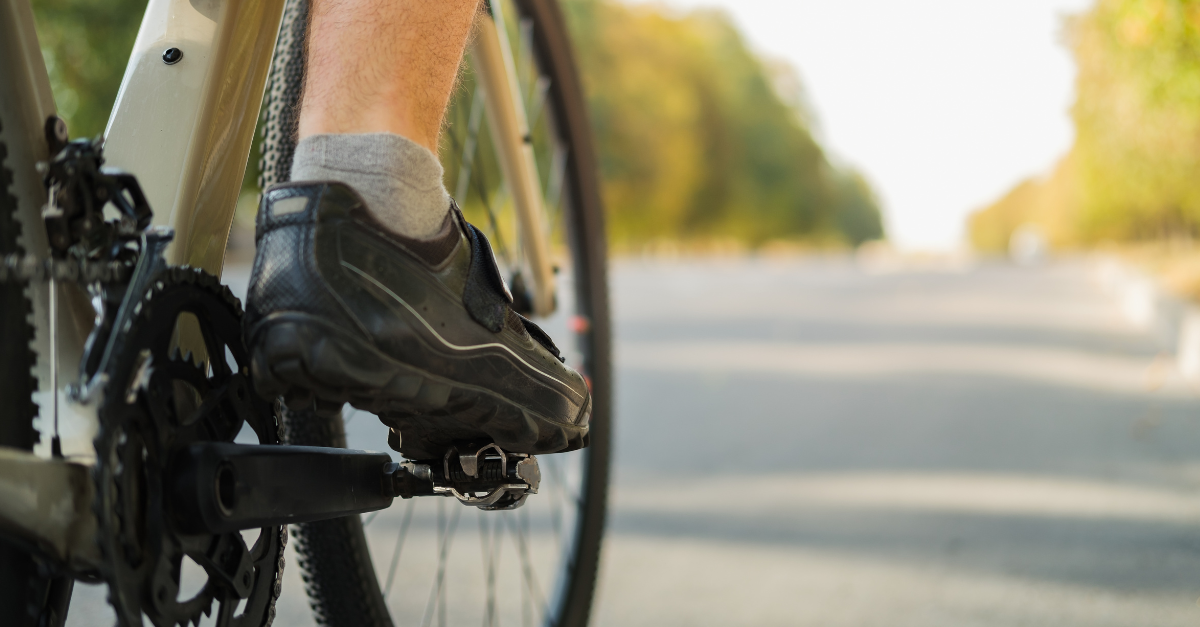
They’re called clipless pedals because there are no old-school toe clips and straps. Instead, similar to ski-bindings, the cleat on the sole of the cycling shoe clicks into the “clipless” pedal. It’s all about attaching firmly and securely to the bike; being one with the bike. You will sometimes find them called clip-in pedals, and you’ll use matching cleats for the sole of clip-in cycling shoes.
Advantages:
- It’ll make you more efficient because more of your energy makes it into each pedal stroke, including the upstroke.
- It’ll give you more power because you have a smooth and constant application through each crank rotation.
- You’ll take more chances and have more control on the bike because it’s quicker to detach from the bike compared to toe clips & straps.
- You can tailor the position for your own comfort (and injury avoidance): adjusting the “float” or tension of pedals means you can swivel your foot to protect your knees. This video shows you how to loosen and tighten clipless pedals.
If you want more guidance on how to improve your cycling performance or comfort or move better after a cycling injury, book in with me for a Cycling Functional Assessment, Cycling Injury Physiotherapy Consultation, or Bike Fit. Find out more about Bike Fits here.