Make an Appointment
Head injuries, concussions and brain trauma have always been hot topics of discussion as they pertain to contact sports. Although Rugby League is far less dangerous than other contact sports such as American Football in terms of the frequency and severity of concussions, it is still an important issue that the ‘NRL’ (National Rugby League) has taken notice of in the last 5 years.
The NRL’s stance
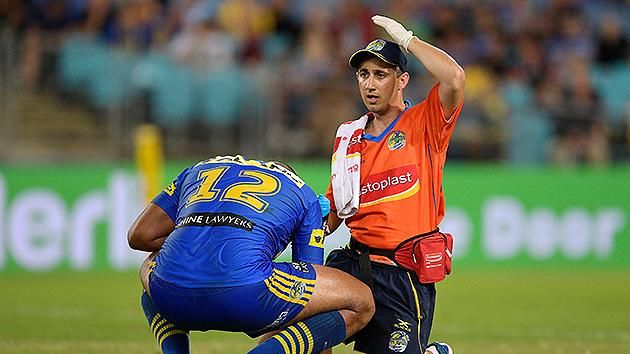
Following the 5th International Consensus Meeting on Concussion in Sport, a statement was issued that the welfare of the player must always be at the top of the list in regards to head injuries. The NRL has decided to make numerous changes to their policies and guidelines to ensure the safety of all of its players and particpants.
**A full breakdown of all the concussion policy changes that have been made by the NRL following the conference can be found here.
More Articles Related to Sport
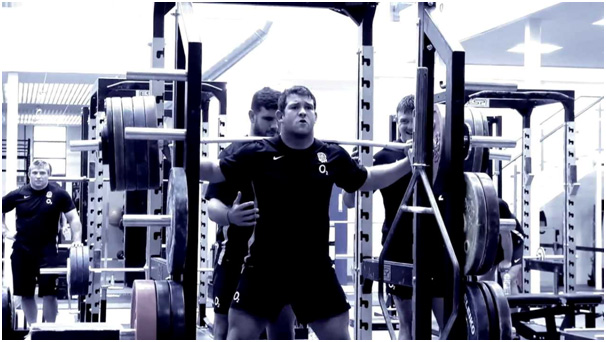
Image Reference: https://au.sports.yahoo.com/nrl-takes-major-step-to-improve-concussion-protocol-35624038.html
Common Rugby League injuries
Injuries are common among all sports all over the world, but head injuries are particularly scary because the brain cannot recover from trauma the same way bones, tendons and muscles can. Concussions in Australian sport have been discussed ad nauseam in recent years because of the influx in studies relating brain damage to contact sports and outlining the permanent, irreversible damage it causes. One former professional Rugby League player, Ian Roberts, has even gone on the record flat-out stating, “Rugby League gave me brain damage.”
Concussion statistics
Although head injuries are on the forefront of public symposium, they only make up a small percentage of the total injuries that occur in Rugby League. The most common Rugby League injuries are actually muscular strains, sprains, bone fractures, dislocations and general bruising / lacerations.
Most injuries occur in the lower limbs (knees, ankles, thighs, calves) and are most prevalent in males between the ages of 25 to 34. Although injury rates peak among adults, injuries (especially brain injuries) are cumulative and often begin occurring in children very young, as soon as they start playing competitively.
Concussions and brain damage
There are numerous stories and studies conducted of significant brain damage occurring in rugby league athletes of all levels, from professional to semi-professional, even Junior Rugby League players suffer from brain damage on occasion. Serious brain damage can occur at any age, as is outlined in the featured story of this article, "Head on: concussion and rugby league. Short-term concussive symptoms are often missed or overlooked in children but can lead to lifelong brain damage if not monitored. According to the British Journal of Sports Medicine, tackles account for 87% of concussions. In a game where tackling is one of the main components, it is important to be aware of the risks of concussions.
Long-term effects of head injury
Regardless of the level of play, concussions occur and can happen at any age. The damage repetitive blows to head cause, accumulates over time and can turn into serious long-term conditions such as:
- Chronic Traumatic Encephalopathy (CTE)
- Traumatic Brain Injury (TBI)
- Alzheimer’s disease
- Dementia
Extensive research of these conditions has been discussed at length by numerous health practitioners around the world. How they relate to Australian Rugby League players has been discussed in national health resources such as ‘Dementia Australia.’
The common long-term and often life-long symptoms of these conditions are memory loss, confusion, impulse control issues, anxiety, trouble focusing, depression and anger.
Short-term effects of head injury
In the interim, short-term effects of head injury can affect the recipient, taking away from their quality of life and needing lengthy recovery time. Some of these short-term effects are:
- Headaches
- Temporary memory loss
- Feeling of fogginess
- Nausea
- Vomiting
- Fatigue
- Blurred vision
- Sensitivity to light and sound
If you or someone you know is exhibiting any of the symptoms listed above after a blow to the head, it is likely that a concussion has occurred. Depending on the severity of the concussion, symptoms can last days / weeks and worsen over time if not properly treated. Mild concussions can easily turn severe with additional blows to the head or if not treated or addressed.
**Continuing to play-on during a game or practice despite a knock to the head can be extremely dangerous. This is another reason why the NRL implementing stringent changes to Rugby League protocols is a nice change of pace.
The NRL takes a step in the right direction
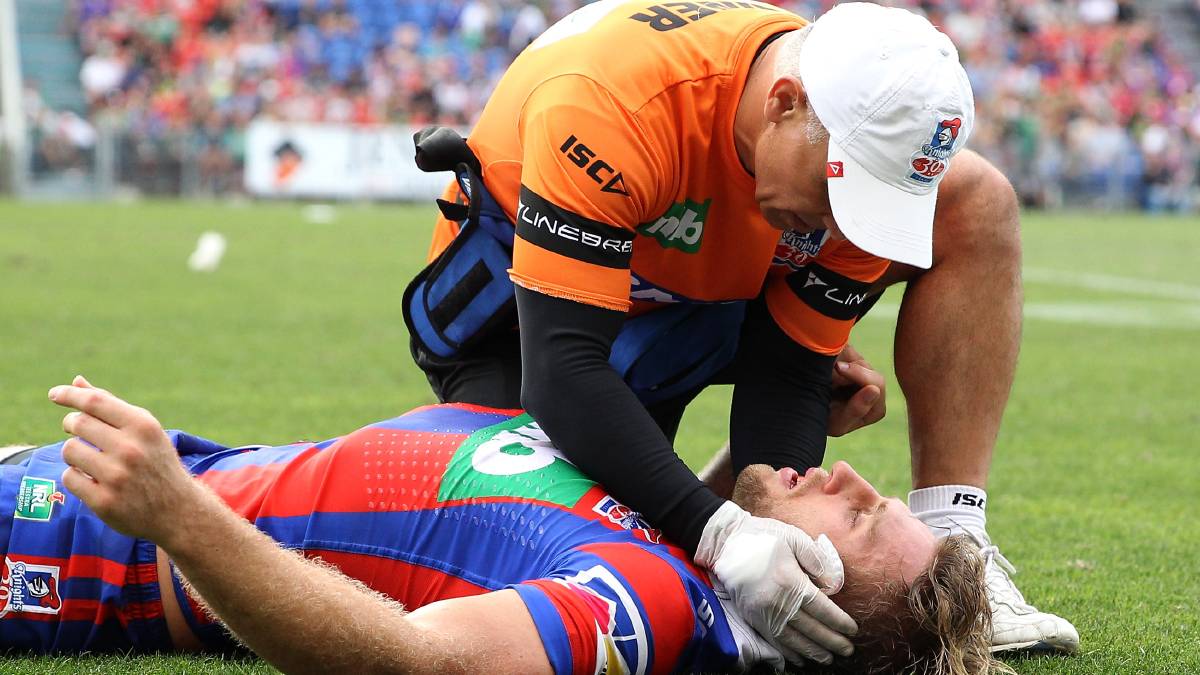
The NRL is doing their part to reduce head injury in Rugby League by implementing many new practices and preventative safety measures. Taking a player out of a game upon a suspected concussion to be evaluated by a medical professional is one example, and a great way to protect players from themselves. Concussion symptoms can take up to 24 - 72 hours to surface after receiving a blow to the head. Most payers are too tough for their own good and will continue playing even after receiving a concussion. Preventing additional damage to a compromised player is imperative in preventing serious brain damage from occurring.
More Articles Related to Neurological Conditions

Image Reference: https://www.theherald.com.au/story/4544504/handling-concussion-cases-after-mcmanus/
A safer future for all rugby players
The NRL has done a decent job of attempting to reduce the amount of brain injuries occurring while playing rugby with recent changes in game rules, tackling policies and by taking a precautionary stance with medical assessments. With that being said the statistics are stating that only 9% of legal play injuries are concussions and a disturbing 29% are from illegal play. Regardless of being legal or illegal, brain trauma is occurring in Rugby League, and many believe that larger fines or penalties for illegal play resulting in head injuries may need to be implemented in the future. And while “concussion remains one of the inherent risks of participation in Rugby League,” rule changes and constant discussion are the keys to creating a safer game, that can be played for longer and enjoyed by competitors of all levels.
Preventing injuries
In any sport, injury prevention is a major key to longevity. Contact sports are especially rough on the body as they involve taking impact. Your body needs to be properly conditioned in order to take impact repetitively without breaking down. Stretching, prehabilitation exercises and recovery (such as sports massage) all improve how your body takes impact. Strengthening your body helps you absorb force, and minimizes the effects and impact will have on your body and brain. In a sport like rugby league, sports injuries are never 100% avoidable. Because of this, it is important to get regular checkups from a professional to manage injuries and prevent them from turning into serious, long-term conditions. Preventing injury means understating your body and how to best protect it.
Seeking out a professional
We have a team of Physiotherapists, Mobile Physiotherapists and Exercise Physiologists across Australia that can help you to understand your body’s specific needs and assess hidden injuries that may impede your sports performance or ability to absorb impact. To be the best, you need to perform at your best, and we can help! Contact us by phone at 1300 731 733 or find a location nearest to you to get started!
More Articles Related to Neuro Physiotherapy

Date Published: Tuesday, March 12, 2019
Date Modified: Tuesday, July 2, 2024
More Articles Related to Sport


More Articles Related to Neurological Conditions
More Articles Related to Men's Health


Locate a Neuro Physiotherapy
Service Near me
Get the experience & convinence you deserve to support your or a loved one's allied health needs.
Our Neuro Physiotherapy team are currently serving & taking appointments in the following states and regions in Australia:
New South Wales
- Blacktown
- Blue Mountains
- Campbelltown And Macarthur
- Canterbury-Bankstown
- Eastern Suburbs Sydney
- Georges River
- Hawkesbury
- Inner East Sydney
- Inner West Sydney
- Lake Macquarie
- Lower North Shore
- Newcastle
- Northern Beaches
- North Sydney
- Parramatta
- Penrith
- Southern Highlands
- South West Sydney
- Sutherland Shire
- Sydney CBD
- The Hills Shire
- Upper North Shore
- Waverley
- Wollongong
Tasmania
Victoria
Need to get into direct contact with our Client Services team? We're all ears. Call our team directly on 1300 731 733